Hobo and spider remediation provides immediate reduction of active arachnid populations while securing entry thresholds against seasonal indoor migrations. In Billings, structural pressure peaks between August and…
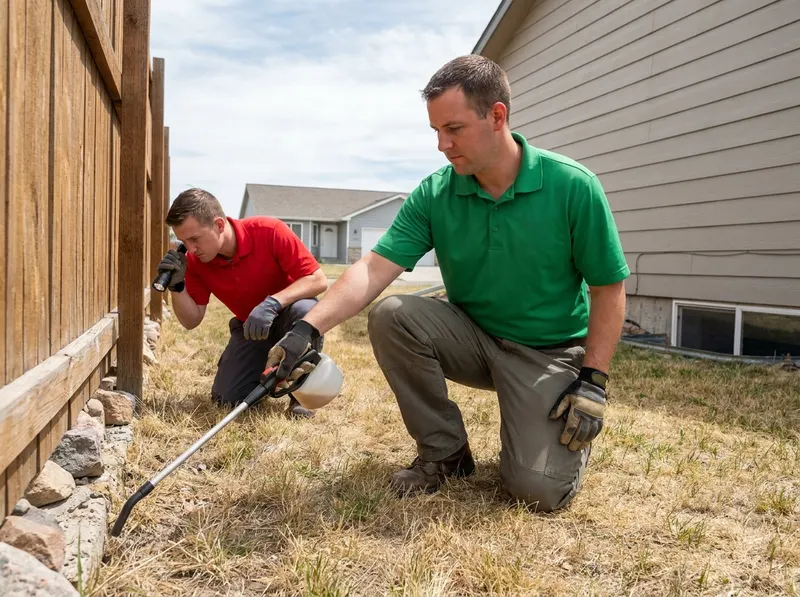
Hobo and spider remediation provides immediate reduction of active arachnid populations while securing entry thresholds against seasonal indoor migrations. In Billings, structural pressure peaks between August and October when mature male hobo spiders emerge from outdoor rockeries, woodpiles, and foundational crevices to search for mates. Sandstone formations along The Rimrocks and river-adjacent terrain near the Yellowstone River provide extensive natural harborages that push funnel-web builders toward residential basements, daylight window wells, and ground-level slabs across neighborhoods like Billings Heights, Fox Run, and Lake Hills. Unlike generic broad-spectrum sprays that wash away or fail to penetrate dense silk structures, dedicated remediation combines mechanical de-webbing with microencapsulated pyrethroid perimeter bands that adhere to exterior concrete, brick veneer, and siding transitions.
Choosing targeted remediation over standard seasonal maintenance addresses active indoor arachnid presence rather than passive exterior suppression. Standard perimeter pest control forms a thin boundary layer suitable for small crawling insects, whereas spider remediation demands targeted void injection into unfinished basement framing, crawlspace joists, and floor-level cracks where wandering species seek shelter from sub-freezing winter transitions. Homeowners in the West End and Central - Terry areas with older foundation designs or stacked stone borders benefit from localized dust treatments beneath baseboards and behind rim joists, areas where liquid sprays cannot safely reach. The operational trade-off centers on interior preparation: targeted remediation requires clearing a 2-foot perimeter along basement perimeter walls to ensure unobstructed applicator access to sill plates and sill corners.
Treatment applications reflect the distinct building styles found throughout Yellowstone County. Slab-on-grade homes in Ironwood and modern developments in Lockwood frequently encounter wandering arachnids navigating under garage overhead door weatherstripping, whereas historic multi-story homes in North Elevation and South Side require attention around sandstone masonry voids and subterranean utility penetrations. Remediation uses low-odor, targeted applications placed deliberately out of reach of pets and human occupants, avoiding indiscriminate fogging inside finished rooms. Placement of heavy-tack insect monitoring traps provides continuous post-application tracking across subterranean living quarters, confirming population knockdown without locking property owners into auto-renewing cancellation agreements.
Every job gets a firm, written price after a free on-site visit.
Tell us about your hobo and spider remediation job in Billings and we'll send a clear, written quote, usually the same day.
 Marvexo Pest Solutions